

TREATMENTS
Corn & Callus

Treatment of corns and calluses in podiatry typically involves gentle scalpel debridement, where the podiatrist carefully removes the thickened skin and, in the case of a corn, extracts the central core to relieve pressure and pain. The procedure is usually quick and painless because only dead skin is removed. After debridement, the podiatrist may apply padding, toe separators, or temporary offloading to reduce friction, and offer advice on footwear or orthotics to address the underlying cause. Regular moisturising and pressure reduction help prevent the problem from returning
Painful joints

Treatment for painful joints in podiatry and chiropody focuses on reducing pain, improving movement, and correcting underlying causes. A podiatrist or chiropodist may use joint mobilisation, stretching, and strengthening exercises, along with footwear advice or custom orthotics to relieve pressure and improve alignment.
Gait (Walking) Analysis

Gait analysis in podiatry and chiropody involves assessing the way a person walks to identify abnormalities in movement, alignment, or pressure distribution that may contribute to pain or injury. Using visual observation or other methods the practitioner evaluates foot posture, joint motion, and muscle function. This helps diagnose issues such as overpronation, flat feet, or biomechanical imbalances and guides treatment, including custom orthotics, footwear advice, and exercises to improve walking efficiency and reduce discomfort.
Nail Conditions
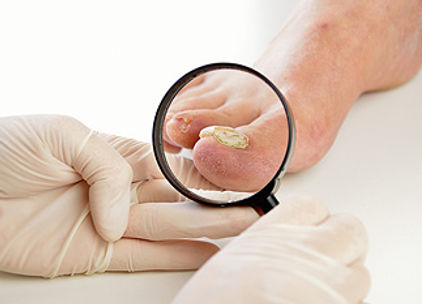
Treatment of nail conditions in podiatry and chiropody focuses on relieving discomfort, improving nail health, and preventing recurrence. A podiatrist or chiropodist may carefully trim and thin thickened nails, remove debris, and treat problems such as fungal infections, ingrown nails, or damaged nail plates. They may also provide protective padding, footwear advice, and, where needed, antifungal or antiseptic treatments. The goal is to restore comfortable, healthy nails and reduce future complications.
Foot and Leg sports injuries

Treatment of foot and leg sports injuries in podiatry and chiropody focuses on reducing pain, restoring function, and preventing recurrence. A podiatrist or chiropodist may assess the injury, provide targeted therapies such as soft-tissue work, joint mobilisation, taping, or strapping, and recommend exercises to improve strength and flexibility. Gait analysis or biomechanical assessment may be used to identify contributing factors, with custom orthotics or footwear advice offered to correct alignment and reduce strain. The aim is to support safe, effective recovery and help athletes return to activity with improved stability and reduced risk of future injury.
Heel Pain

Treatment for heel pain in podiatry and chiropody focuses on relieving discomfort, reducing inflammation, and correcting the underlying cause—often linked to plantar fasciitis, heel spurs, or poor foot mechanics. A podiatrist or chiropodist may use stretching and strengthening exercises, soft-tissue therapy, taping, and footwear modifications to support the heel and arch. Gait analysis or biomechanical assessment may guide the use of custom orthotics to reduce strain. Ice, activity modification, and advice on appropriate footwear help ease symptoms, with the aim of restoring comfortable, pain-free walking.
Specialist footwear advice

A podiatrist or chiropodist assesses foot shape, gait, and any existing conditions, then recommends footwear with appropriate cushioning, arch support, width, and stability. They may also advise on features such as shock-absorbing soles, deeper toe boxes, or adjustable fastenings, ensuring the footwear suits the patient’s lifestyle and clinical needs. The goal is to improve comfort, enhance mobility, and reduce the risk of future foot problems.
Diabetic assessment

The podiatrist or chiropodist checks skin condition, nail health, circulation, and sensation, often using tools to assess neuropathy and blood flow. They look for pressure areas, calluses, corns, or deformities that could lead to injury. Based on the findings, they provide advice on footwear, daily foot care, pressure relief, and ongoing monitoring to prevent serious complications and maintain foot health.
Verrucas

Treatment of verrucas (plantar warts) in podiatry and chiropody focuses on removing the viral lesion, relieving discomfort, and preventing recurrence. A podiatrist or chiropodist may use techniques such as debridement, cryotherapy, or topical treatments to break down the wart tissue. They also provide advice on protecting the surrounding skin, reducing pressure when walking, and preventing the spread of the virus. Regular monitoring ensures the verruca heals safely, especially in high-risk patients such as those with diabetes or poor circulation.
Rheumatology Care Advice

Rheumatology care advice in podiatry and chiropody focuses on supporting joint health, reducing pain, and maintaining mobility for patients with conditions like arthritis or autoimmune disorders. A podiatrist or chiropodist may recommend footwear modifications, custom orthotics, padding, and splints to relieve pressure on affected joints. They also provide exercises to improve strength and flexibility, gait assessment to reduce strain, and guidance on daily foot care to prevent complications. The goal is to minimize discomfort, preserve function, and enhance overall quality of life.
High risk Circulatory assessments

High-risk circulatory assessments in podiatry and chiropody evaluate blood flow in patients with conditions like diabetes or peripheral arterial disease. The practitioner checks pulses, skin, nails, and temperature to detect poor circulation or tissue risk. Based on findings, they provide foot care advice, footwear guidance, and referrals to prevent ulcers, infection, and serious complications.